Movie

The Bear

The Bear, released in 1938 and directed by Isidor Annensky, is a Soviet short film based on the classic theatrical work by Anton Chekhov. As a piece of cinematic adaptation, it sits firmly within the genres of comedy and drama, capturing the distinct blend of wit, social observation, and emotional volatility characteristic of Chekhov’s dramatic style. Set within the rigid social structures of the late 19th century, the narrative centers on a confrontation between a mourning widow and a stubborn creditor, exploring themes of wounded pride, sudden romantic tension, and the volatile shifting of temperaments. The film aesthetic prioritizes performance and dialogue, leaning into a theatrical sensibility that emphasizes the absurdity of its protagonists' interactions. It is a work for those who appreciate character-driven humor and the traditional Russian literary focus on the unpredictability of the human spirit. The tone oscillates between sharp-tongued grievances and farcical displays of affection, maintaining a focus on the absurdities of social performance. As an early example of Soviet-era adaptation, the film serves as a faithful, period-accurate exploration of the original text’s comedic structure.

Also recommended in this category

Breaking Bad

Breaking Bad

Breaking Bad is a sustained American neo-Western crime drama that examines the transformation of a high school chemistry teacher into a ruthless methamphetamine kingpin. Produced by Vince Gilligan for AMC, the series functions as a meticulous character study rooted in the descent into moral ambiguity and the consequences of personal ambition. The narrative balances high-stakes suspense with a grounded exploration of the antihero archetype, emphasizing the psychological toll of illicit trade. Visually, the series utilizes its desolate Southwestern setting to reflect the stark, isolating nature of the underground world the protagonist inhabits. The tone is consistently tense and methodical, marked by a deliberate pacing that rewards careful observation of shifting alliances and burgeoning hubris. Beyond the crime genre, it investigates themes of pride, family necessity, and the inevitability of cause and effect. The aesthetic is gritty and naturalistic, eschewing flash for a gritty realism that anchors its more extreme developments in human vulnerability. It appeals to viewers who appreciate serialized storytelling that prioritizes complex character arcs and thematic density over traditional episodic structure.

The Beast in Me

The Beast in Me

The Beast in Me is a psychological crime thriller miniseries that explores the chilling intersection of creative obsession and potential criminality. Created by Gabe Rotter and executive produced by Jodie Foster and Conan O'Brien, the narrative centers on an author—portrayed by Claire Danes—who becomes consumed by the investigation of her neighbor, played by Matthew Rhys, a real estate executive suspected of murdering his wife. As the protagonist embeds herself into the life and history of the man next door to craft her manuscript, the line between journalistic inquiry and intrusive voyeurism begins to blur. Directed by a team including António Campos, Tyne Rafaeli, and Lila Neugebauer, the series maintains a tense, analytical tone that focuses on character psychology as much as the factual resolution of a crime. By grounding its suspense in the domestic proximity between the hunter and the hunted, the show examines the moral weight of turning real-world tragedy into commercial narrative, emphasizing the unease of living in the shadow of a possible predator. The series is distinguished by its focused character study and the nuanced performances of its leads, earning recognition for its atmospheric approach to the thriller genre.

The Chi

The Chi

The Chi is an American drama series created by Lena Waithe, offering an intimate and expansive look at life on the South Side of Chicago. Set within a distinct urban landscape, the narrative threads together the intersecting lives of residents, balancing grounded realism with the heavy emotional gravity of community, family, and survival. As the series progresses through its multi-season trajectory, it navigates complex social themes and individual struggles with a steady, empathetic focus on character development and the shifting dynamics of neighborhood relationships. The directorial vision, notably shaped by Rick Famuyiwa, contributes to an aesthetic that is both cinematic and observational, focusing on the cadence of everyday life in the city. The show maintains a somber yet resilient tone, capturing the interplay between systemic challenges and the personal bonds that define its ensemble cast. Spanning several years of production, the series ultimately finds its conclusion by anchoring its final chapters in the continued evolution of its core characters, providing a comprehensive portrait of the place and people it depicts.

Baskets

Baskets

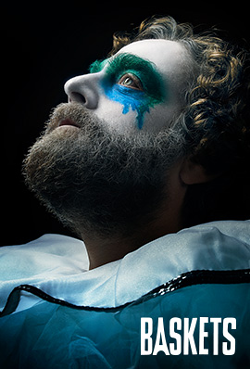
Baskets is a surreal, melancholic comedy-drama series that explores the fractured life of Chip Baskets, a man whose aspirations of becoming a sophisticated professional clown in Paris collapse, forcing him to return home to Bakersfield, California. There, he finds himself working in the gritty, unglamorous world of local rodeo clowning. Created by Zach Galifianakis, Louis C.K., and Jonathan Krisel, the series functions as a character-driven study of failure, familial dysfunction, and the absurdity of middle-American life. Galifianakis anchors the narrative by performing in a dual role as Chip and his twin brother, Dale, creating a stark contrast between Chip’s profound sense of artistic disappointment and Dale’s shallow, suburban bravado. The show distinguishes itself through a dry, deadpan sensibility and a deliberate, slow-burn pacing that prioritizes existential ennui over traditional sitcom tropes. Its aesthetic is grounded in the flat, sun-bleached monotony of the Central Valley, framing its characters with a blend of harsh realism and eccentric, pathetic comedy. The tone fluctuates between moments of cringe-inducing awkwardness and genuine, quiet sadness, offering an uncomfortable look at the persistence required to pursue one's identity when reality renders those dreams obsolete. As a definitive portrait of unrealized potential and regional isolation, the series maintains a singular, often jarring commitment to the awkwardness of the human condition.

The Mind of a Chef

The Mind of a Chef

The Mind of a Chef is a non-fiction television series produced for PBS that serves as a multifaceted exploration of the culinary arts. Narrated and executive produced by Anthony Bourdain, the series functions as both a travelogue and an educational deep dive, eschewing traditional recipe-based formats in favor of a thematic approach to gastronomy. Each season centers on a specific chef, positioning them as the focal point for an inquiry into the intersection of food and culture. The show blends various disciplines, including history, food science, and geography, to deconstruct the creative process behind world-class cooking. Its tone is inquisitive, intellectual, and observational, mirroring Bourdain’s own approach to culinary storytelling. By favoring deep, sensory-focused segments over rapid-paced competition or drama, the series appeals to viewers with a curiosity for the intellectual rigor and historical context that inform professional cooking. It captures the global landscape of food by treating global ingredients and regional traditions as subjects of rigorous scientific and anthropological study, making it a definitive work for those interested in the philosophy of the kitchen and the craft of master chefs.

Ugly Delicious

Ugly Delicious

Ugly Delicious is a non-fiction series that traverses the intersection of food, cultural history, and global travel. Hosted and guided by an exploration of culinary roots, the series moves beyond traditional cooking shows by deconstructing the evolution of specific dishes and cuisines. It examines how food travels across borders, adapts to new environments, and reflects the complex identity of the people who prepare and consume it. The series adopts an investigative and often candid tone, prioritizing the authenticity of local experiences and the narratives embedded in ingredients and preparation methods over polished, studio-bound demonstrations. By highlighting the relationship between tradition and innovation, the format bridges the gap between high-concept culinary critique and casual, everyday dining. The aesthetic is grounded and observational, favoring on-location footage that captures the sensory landscape of street food stalls, family kitchens, and regional restaurants. It is a series designed for viewers with an interest in the sociology of food, finding value in the tension between cultural preservation and culinary fusion. Through its episodic focus, it emphasizes that the history of what is eaten is fundamentally a history of migration, commerce, and human connection.

Keep Breathing

Keep Breathing

Keep Breathing is a six-episode American survival drama limited series created by Martin Gero and Brendan Gall. Directed by Maggie Kiley, the narrative centers on the grueling psychological and physical endurance required to stay alive when cut off from civilization after a plane crash. Set against a backdrop of unforgiving wilderness, the series unfolds through a blend of intense immediate action and contemplative flashbacks that explore the protagonist's personal history and emotional fractures. The tone is somber and high-stakes, emphasizing the visceral reality of isolation and the human instinct to persist against overwhelming odds. By balancing the external struggle for survival with an internal examination of past trauma, the show highlights how environmental pressures force a confrontation with one's own memories and regrets. The aesthetic is defined by the stark, vast landscape, which serves as both a literal obstacle and a mirror for the character’s internal development, creating a claustrophobic sense of vulnerability despite the expansive setting. It is a work for those who appreciate character-driven suspense and explorations of human resilience under duress.

Cacciatore: The Hunter

Cacciatore: The Hunter

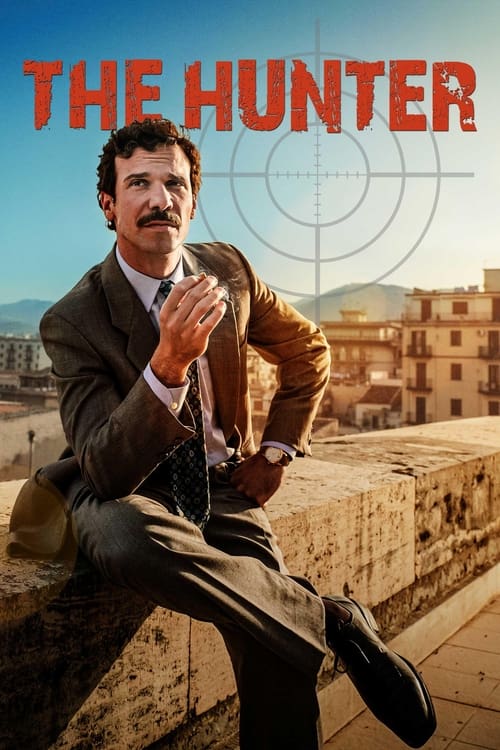
Cacciatore: The Hunter is an intense Italian police procedural that draws its narrative framework from the autobiographical experiences of magistrate Alfonso Sabella. Set against the violent and complex backdrop of 1990s Sicily, the series chronicles the relentless pursuit of high-profile Mafia figures by an idealistic young prosecutor. The show distinguishes itself through a grim, grounded aesthetic that explores the psychological toll of the anti-Mafia struggle, balancing procedural intensity with a deeply personal perspective on justice, duty, and obsession. Directed by Stefano Lodovichi and Davide Marengo, the series captures a distinct historical era defined by systemic corruption and institutional conflict. It maintains a somber, urgent emotional register, eschewing stylized heroics in favor of a gritty, clinical observation of crime and investigation. The narrative oscillates between the high-stakes pressure of legal maneuvering and the intimate, often isolating life of an operative dedicated to dismantling an entrenched criminal network. Its sensibility is formal, methodical, and austere, appealing to viewers who appreciate character-driven crime dramas that emphasize realism, historical context, and the moral ambiguity inherent in navigating a fractured societal landscape.

Mare of Easttown

Mare of Easttown

Mare of Easttown is an American crime drama miniseries created and written by Brad Ingelsby and directed by Craig Zobel for HBO. Set in a small Pennsylvania town, the series functions as a character-driven police procedural that balances the mechanics of a criminal investigation with the weight of intergenerational community secrets. The narrative centers on a local detective balancing professional demands against a fractured personal life in an environment defined by economic struggle and deep-seated social ties. The tone is somber, grounded in naturalism, and maintains a distinct sense of place, emphasizing the claustrophobia of a community where everyone shares a history. By prioritizing the internal toll of grief and trauma alongside the tension of a whodunnit mystery, the work explores themes of loss, accountability, and the resilience required to survive in a fading industrial setting. The aesthetic is muted and stark, favoring psychological realism and nuanced performances over flashy procedural tropes, making it a study of how private burdens collide with public duty in tight-knit, isolated spaces.

The Chicago Code

The Chicago Code

The Chicago Code is a gritty police procedural drama created by Shawn Ryan that captures the distinct atmosphere and civic landscape of Chicago, Illinois. As a crime drama, the series delves into the complexities of law enforcement, focusing on the intersection of street-level police work and the political maneuverings within the city's power structures. The tone is intense, grounded in a realistic aesthetic that reflects the series' on-location filming, prioritizing an authentic depiction of the urban environment. The narrative structure emphasizes the high-stakes friction between seasoned leadership and the bureaucratic pressures inherent in municipal government. By blending traditional investigative procedural tropes with a more cynical look at institutional corruption, the series maintains a somber, urgent emotional register. It appeals to viewers who appreciate character-driven storytelling set against the backdrop of a sprawling metropolis, as well as those interested in the darker, more systemic challenges of modern policing. The production is characterized by its taut pacing and a focus on the moral compromises required to operate within a decaying political ecosystem. As an ensemble drama, it highlights the shared professional burdens of its protagonists as they navigate both criminal threats and the internal politics of the department.

Raising the Bar

Raising the Bar

Raising the Bar is an American legal drama series that explores the friction within the criminal justice system through the eyes of a group of public defenders and prosecutors. Created by Steven Bochco and David Feige, the show adopts an uncompromising, gritty sensibility, centering on the professional and personal conflicts of young attorneys navigating the demanding landscape of the New York City court system. The tone is character-driven and intense, highlighting the systemic pressures and high-stakes environment inherent in daily legal practice. Unlike traditional procedural shows that focus strictly on the mechanics of building a case, this series prioritizes the ideological clashes and interpersonal dynamics between legal adversaries who are often former friends or colleagues. The visual and narrative aesthetic reflects a realistic, urban professional environment, emphasizing the grind and moral ambiguities faced by those operating within the courthouse. Its thematic core rests on the tension between the quest for absolute justice and the pragmatic realities of the law, portraying a world where idealism frequently intersects with institutional bureaucracy. The series maintains a steady, serious emotional register throughout its brief run, appealing to viewers who appreciate character-focused workplace dramas that scrutinize the integrity and burden of the legal profession.

İçerde

İçerde

İçerde is a Turkish action-thriller television series directed by Uluç Bayraktar and produced by Ay Yapım. Premiering on Show TV in 2016, the narrative serves as a series adaptation of the crime-drama template established by the film The Departed. The plot centers on an intense cat-and-mouse dynamic, pitting two male protagonists against one another in a world defined by undercover operations, dual loyalties, and organized crime. The series maintains a gritty, suspense-driven tone, relying heavily on the physical and psychological friction between its central characters. While the overarching narrative is structured as a high-stakes crime procedural, its primary aesthetic draw lies in the performance-heavy portrayals by lead actors Çağatay Ulusoy and Aras Bulut İynemli, whose chemistry grounds the often complex and shifting loyalties within the series. Set against the backdrop of the Turkish metropolitan landscape, the show focuses on themes of identity, betrayal, and familial bonds tested by deception. It is tailored for audiences who favor high-energy crime dramas, intricate plot-driven thrillers, and character studies that emphasize the personal cost of leading a double life. Its sensibility balances grand-scale tension with the intimate, volatile interactions of its leads, distinguishing itself through its specific adaptation of classic noir tropes within a modern Turkish production framework.